

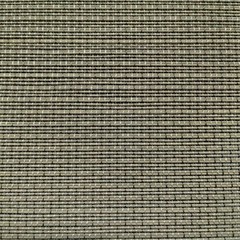
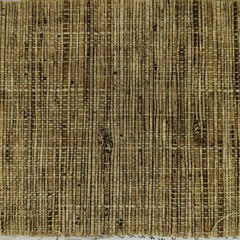
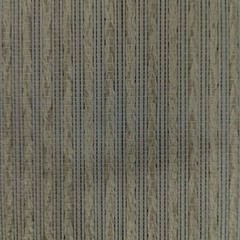
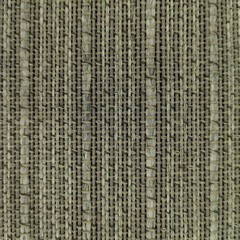
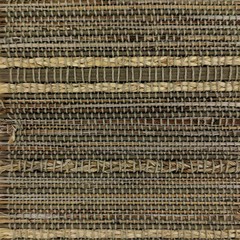
Hey there! As a curtain material roll supplier, I often get asked if it's possible to use a curtain material roll to make roman shades. Well, the short answer is yes, you totally can! In this blog post, I'm gonna break down everything you need to know about using curtain material rolls for roman shades, from the benefits to the process.
Why Use a Curtain Material Roll for Roman Shades?
First off, let's talk about why using a curtain material roll is a great idea for making roman shades. One of the biggest advantages is the wide range of materials and styles available. Whether you're into a classic look with Roller Woven Shades, a natural feel with Linen Blinds Roller, or a trendy option like Roll Up Woven Shades, there's a curtain material roll out there that will suit your taste.
Another benefit is cost - effectiveness. Buying a curtain material roll is often more affordable than purchasing pre - made roman shades. You can get a large amount of material at a reasonable price, and you only pay for what you use. This is especially great if you're on a budget or if you have multiple windows to cover.


Customization is also a major plus. When you use a curtain material roll, you have complete control over the size, color, and pattern of your roman shades. You can create a unique look that perfectly matches your interior design. Whether you want a bold statement or a subtle accent, the choice is yours.
Choosing the Right Curtain Material Roll
Now that you know the benefits, let's talk about how to choose the right curtain material roll for your roman shades. The first thing to consider is the fabric type. There are several options available, each with its own characteristics.
- Cotton: Cotton is a popular choice because it's soft, breathable, and easy to work with. It comes in a wide variety of colors and patterns, making it a versatile option for roman shades.
- Linen: Linen has a natural, textured look that adds a touch of elegance to any room. It's also durable and can withstand regular use.
- Polyester: Polyester is a synthetic fabric that is resistant to wrinkles and fading. It's a great choice if you're looking for a low - maintenance option.
You also need to think about the weight of the fabric. For roman shades, a medium - weight fabric is usually the best choice. It's heavy enough to hold its shape but not so heavy that it's difficult to fold.
The Process of Making Roman Shades from a Curtain Material Roll
Making roman shades from a curtain material roll isn't as complicated as it might seem. Here's a step - by - step guide to help you get started:
Step 1: Measure Your Windows
The first step is to measure your windows accurately. You'll need to measure the width and height of the window opening. Make sure to measure at the top, middle, and bottom of the window and use the smallest measurement for the width. For the height, measure from the top of the window frame to the desired length of the shade.
Step 2: Cut the Fabric
Once you have your measurements, it's time to cut the fabric. Add a few inches to the width and height to allow for hemming and the header. Use sharp scissors or a rotary cutter to cut the fabric.
Step 3: Hem the Edges
Fold over the edges of the fabric and sew them to create a clean finish. You can use a straight stitch or a zigzag stitch, depending on your preference.
Step 4: Create the Header
The header is the part of the shade that attaches to the window frame. You can make a simple header by folding over the top of the fabric and sewing it down. You can also add a rod pocket or a tab top for easy installation.
Step 5: Add the Pleats
Roman shades are known for their pleats. To create the pleats, mark the desired spacing on the fabric and fold it accordion - style. Sew the pleats in place to hold them.
Step 6: Install the Shade
Once your roman shade is finished, it's time to install it. You can use brackets or a rod to attach the shade to the window frame. Make sure it's level and secure.
Tips and Tricks
- Use a pattern: If you're new to sewing, using a pattern can make the process much easier. You can find patterns online or at your local fabric store.
- Test the fabric: Before you start sewing, test the fabric to make sure it's the right weight and drape for your roman shades. You can make a small sample to see how it looks and feels.
- Add lining: Adding a lining to your roman shades can help block out light and add insulation. You can use a blackout lining or a sheer lining, depending on your needs.
Conclusion
So, can you use a curtain material roll to make roman shades? Absolutely! It's a cost - effective, customizable, and fun way to add a personal touch to your windows. Whether you're a seasoned DIYer or a beginner, making roman shades from a curtain material roll is a project that you can tackle.
If you're interested in purchasing curtain material rolls for your roman shade project, I'd love to chat with you. We have a wide selection of high - quality curtain material rolls in various colors, patterns, and fabrics. Contact me to discuss your needs and get started on your next home improvement project.
References
- "Sewing for Dummies" by Sue Osborn
- "Window Treatments: A Complete Guide" by Mary Jane Mucklestone