

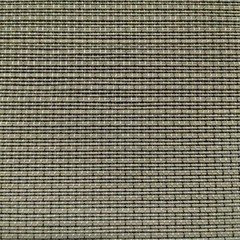
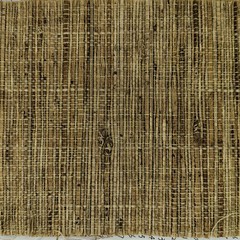
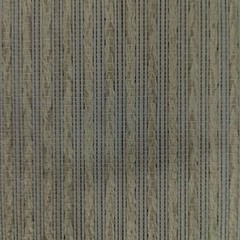
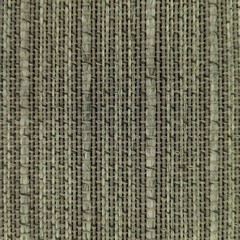
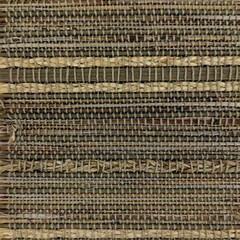
Hey there! As a supplier of Black Out Blind Material, I've been getting a lot of questions lately about how to make these materials more energy - efficient. It's a hot topic, especially with everyone looking to cut down on their energy bills and do their part for the environment. So, I thought I'd share some tips and tricks that I've picked up over the years.
First off, let's understand why energy efficiency matters when it comes to black out blind materials. These blinds are not just for blocking out light; they can also play a huge role in regulating the temperature in your home or office. During the summer, they can keep the hot sun out, reducing the need for air - conditioning. In the winter, they can prevent heat from escaping, thus saving on heating costs.
Choosing the Right Material
The material of your black out blind is crucial for energy efficiency. Look for fabrics that have good insulating properties. For instance, a thick, tightly woven fabric will do a better job of keeping the heat in or out compared to a thin, loosely woven one.
One option is the Window Blinds Fabric Roll. This type of fabric is often made with high - quality materials that offer excellent insulation. It can block a significant amount of sunlight and heat, making it a great choice for energy - conscious consumers.


Another great option is the Roll Of Curtain Lining Fabric. This lining can be added to existing blinds or curtains to enhance their energy - saving capabilities. It acts as an extra layer of insulation, helping to keep the indoor temperature stable.
Installation and Placement
Proper installation and placement of your black out blinds can also make a big difference in their energy efficiency. Make sure the blinds fit the window snugly. Any gaps around the edges can allow heat or cold air to seep in, reducing the effectiveness of the blinds.
If possible, install the blinds inside the window frame. This creates a more airtight seal and helps to block out more heat or cold. For larger windows, consider using multiple blinds or panels to ensure full coverage.
Also, think about the orientation of your windows. South - facing windows get the most sunlight, so you might want to use thicker or more energy - efficient blinds on these windows. North - facing windows receive less sunlight, so you can use lighter blinds.
Using Cordless Blinds
Cordless blinds, like the Cordless Woven Blinds, are not only safer but can also be more energy - efficient. They are easier to open and close, which means you're more likely to adjust them according to the time of day and the weather.
During the day, you can open the blinds to let in natural light and warmth, and then close them at night to keep the heat inside. With cordless blinds, this process is quick and hassle - free.
Maintenance and Upgrades
Regular maintenance of your black out blinds is essential for optimal energy efficiency. Keep the blinds clean by dusting them regularly. Dirt and dust can reduce the effectiveness of the fabric and make it less insulating.
If your blinds are old or damaged, consider upgrading them. Newer materials and designs are often more energy - efficient than older ones. You might also want to look into adding features like thermal backing or reflective coatings to your blinds.
Additional Tips
- Use a Smart System: There are now smart blinds available that can be controlled via your smartphone or a smart home system. You can set them to open and close at specific times of the day, ensuring that your home is always at the right temperature without you having to do anything.
- Layer Your Blinds: Combining different types of blinds can enhance their energy - saving capabilities. For example, you can use a sheer blind during the day to let in some light while still providing some insulation, and then close a black out blind at night for maximum energy efficiency.
In conclusion, making your black out blind material more energy - efficient is not only good for the environment but also for your wallet. By choosing the right materials, installing them properly, using cordless blinds, and maintaining them regularly, you can significantly reduce your energy consumption.
If you're interested in purchasing high - quality black out blind materials or have any questions about energy - efficient blinds, feel free to reach out. We're here to help you make the best choices for your home or office.
References
- "Energy - Efficient Window Treatments" by the U.S. Department of Energy
- "The Benefits of Black Out Blinds" from a leading home improvement magazine