

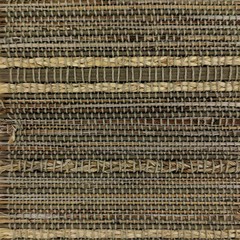
When it comes to window coverings, woven blinds are a popular choice for many homeowners and businesses alike. They offer a natural and elegant look that can enhance the aesthetic appeal of any space. However, when shopping for woven blinds, you'll often encounter two main types: corded and cordless. As a supplier of Cordless Woven Blinds, I'm here to delve into the differences between these two options to help you make an informed decision.
Design and Aesthetics
Corded woven blinds have been around for a long time and are a classic choice. They typically feature a set of cords that run through the slats of the blind, allowing you to adjust the angle of the slats and raise or lower the blind. The cords can add a traditional and rustic charm to the blinds, giving them a more vintage look. However, the cords can also be a bit of an eyesore, especially in modern or minimalist spaces.
On the other hand, cordless woven blinds offer a sleek and clean look. Without the cords, they have a more streamlined appearance that can blend in seamlessly with any decor style. This makes them a great choice for contemporary homes or offices where a minimalist aesthetic is desired. Cordless blinds also eliminate the risk of cords getting tangled or caught on furniture, which can be a nuisance with corded blinds.
Safety
One of the most significant differences between corded and cordless woven blinds is safety. Corded blinds pose a potential strangulation hazard, especially for young children and pets. According to the U.S. Consumer Product Safety Commission (CPSC), window cords have been linked to numerous deaths and injuries over the years. To address this issue, many countries have implemented safety regulations requiring corded blinds to be equipped with cord tensioning devices or cord cleats to prevent accidental strangulation.
Cordless woven blinds, on the other hand, eliminate this risk altogether. They are designed to be operated without cords, making them a much safer option for homes with children or pets. This is one of the main reasons why cordless blinds have become increasingly popular in recent years.
Ease of Use
Corded blinds are relatively easy to operate. You simply pull on the cords to raise or lower the blind and adjust the slats. However, over time, the cords can become frayed or tangled, making them more difficult to use. Additionally, if the cords are not properly maintained, they can break, which can be a hassle to repair.
Cordless woven blinds, on the other hand, are even easier to use. They typically feature a simple mechanism that allows you to raise or lower the blind with a gentle push or pull. Some cordless blinds also come with a remote control, which makes it even more convenient to operate the blinds from anywhere in the room.
Light Control
Both corded and cordless woven blinds offer good light control. You can adjust the angle of the slats to let in as much or as little light as you want. However, cordless blinds may offer slightly better light control because they can be adjusted more precisely. With corded blinds, the cords can sometimes get in the way, making it a bit more difficult to adjust the slats to the exact angle you want.
Durability
Corded blinds are generally more durable than cordless blinds. The cords provide additional support for the slats, which can help prevent them from sagging or warping over time. However, if the cords are not properly maintained, they can break, which can reduce the lifespan of the blinds.
Cordless blinds, on the other hand, are typically made with high-quality materials and are designed to be durable. However, the lack of cords means that the slats may be more prone to sagging or warping over time. To ensure the longevity of your cordless blinds, it's important to choose a reputable supplier and follow the manufacturer's care instructions.
Cost
Corded woven blinds are generally less expensive than cordless blinds. This is because they are simpler in design and require less technology to operate. However, the cost of corded blinds can vary depending on the size, material, and brand.
Cordless woven blinds, on the other hand, are typically more expensive than corded blinds. This is because they require more advanced technology to operate and are often made with higher-quality materials. However, the added cost may be worth it for the convenience, safety, and aesthetic appeal that cordless blinds offer.


Conclusion
In conclusion, the choice between corded and cordless woven blinds depends on your personal preferences, budget, and safety concerns. If you're looking for a traditional and affordable option, corded blinds may be the right choice for you. However, if you're concerned about safety, convenience, and aesthetics, cordless blinds are definitely worth considering.
As a supplier of Cordless Woven Blinds, I offer a wide range of high-quality cordless blinds that are designed to meet the needs of every customer. Whether you're looking for a specific style, color, or material, I can help you find the perfect blinds for your home or office.
If you're interested in learning more about our cordless woven blinds or would like to place an order, please don't hesitate to contact me. I'm always happy to answer any questions you may have and provide you with a free quote.
References
- U.S. Consumer Product Safety Commission. (n.d.). Window Cord Safety. Retrieved from https://www.cpsc.gov/Safety-Education/Safety-Guides/Windows-and-Doors/Window-Cord-Safety