

Hey there! As a supplier of roll of blind fabric, I often get asked if our products have anti - static properties. Well, let's dive right into this topic and find out.
First off, what exactly are static properties? Static electricity is basically an imbalance of electric charges within or on the surface of a material. It can cause all sorts of annoying problems, like making the blind fabric stick to itself or attract dust. No one wants a dusty, clumpy blind, right?
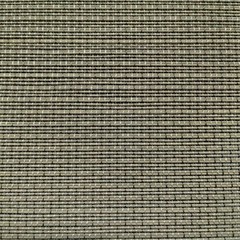
Now, let's talk about the different types of blind fabrics we offer. We've got a wide range of options, from Linen Roll Up Curtains to Tweed Roller Blind and Thermal Blackout Roller Blind Fabric. Each of these fabrics has its own unique characteristics, and anti - static properties can vary.
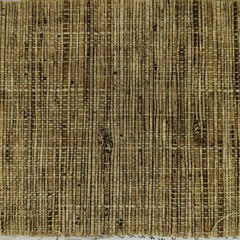
Linen is a natural fiber, and it's known for being breathable and durable. But does it have anti - static properties? Well, linen has a relatively low tendency to build up static electricity. This is because natural fibers like linen can absorb moisture from the air. Moisture acts as a conductor, allowing the static charges to dissipate more easily. So, if you're looking for a fabric that's less likely to get static, linen is a great choice.
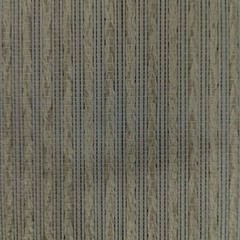
On the other hand, tweed is a woolen fabric. Wool is also a natural fiber, but it can sometimes be more prone to static. However, the way the tweed is processed and treated can make a big difference. Some of our tweed roller blinds are treated with special anti - static finishes. These finishes help to reduce the build - up of static charges on the fabric surface. So, even though wool might have a bit of a reputation for static, our treated tweed blinds can be a great option.
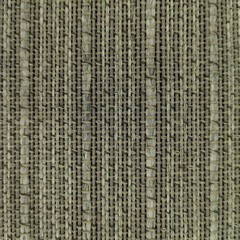
Then there's the thermal blackout roller blind fabric. This type of fabric is designed to block out light and keep the room cool. It's often made from synthetic materials, which can be more likely to build up static. But we've taken steps to address this issue. Our thermal blackout fabrics are engineered with anti - static additives. These additives work by creating a conductive layer on the fabric, which helps to prevent the accumulation of static charges.
Now, how do we test the anti - static properties of our fabrics? We use a variety of methods. One common way is to measure the surface resistance of the fabric. A lower surface resistance means that the fabric is more conductive and less likely to hold static charges. We also conduct practical tests, like rubbing the fabric against other materials to see if it generates static.
So, why is it important for blind fabrics to have anti - static properties? Well, for starters, it makes the blinds easier to use. You won't have to deal with the fabric sticking together or attracting dust. This not only keeps the blinds looking clean and fresh but also extends their lifespan. Additionally, in some environments, static electricity can be a safety hazard. For example, in areas where there are flammable materials, static sparks can cause fires. So, having anti - static blinds can help to create a safer environment.
If you're in the market for roll of blind fabric, and you're concerned about static, we've got you covered. Our wide range of fabrics, including the Linen Roll Up Curtains, Tweed Roller Blind, and Thermal Blackout Roller Blind Fabric, are designed with anti - static properties in mind.
We understand that every customer has different needs. Whether you're looking for a fabric for a residential or commercial space, we can provide you with the right solution. Our team is always ready to help you choose the best fabric for your specific requirements.


If you're interested in learning more about our roll of blind fabric or want to discuss a potential purchase, don't hesitate to reach out. We're here to answer all your questions and guide you through the selection process.
In conclusion, our roll of blind fabric does have anti - static properties, thanks to the materials we use and the treatments we apply. So, if you're tired of dealing with static - prone blinds, give our products a try. You won't be disappointed.
References:
- Textile Science and Technology textbooks
- Industry research on anti - static fabric treatments