

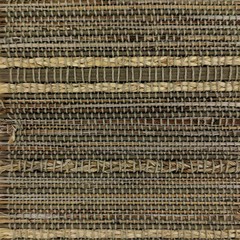
Roller woven shades have become a popular choice for window coverings due to their aesthetic appeal and practicality. One of the concerns that many consumers have is whether these shades can effectively block UV rays. As a supplier of Roller Woven Shades, I am well - versed in the properties of these products and will delve into the science behind their UV - blocking capabilities.
Understanding UV Rays
Before we discuss how roller woven shades interact with UV rays, it's essential to understand what UV rays are. Ultraviolet (UV) rays are a type of electromagnetic radiation that comes from the sun. They are classified into three types: UVA, UVB, and UVC. UVC rays are mostly absorbed by the Earth's atmosphere and do not reach the surface. However, UVA and UVB rays can penetrate the atmosphere and have various effects on our skin and indoor furnishings.
UVA rays have a longer wavelength and can penetrate deep into the skin, causing premature aging, wrinkles, and even some forms of skin cancer. UVB rays have a shorter wavelength and are mainly responsible for sunburns. When these rays enter our homes through windows, they can also fade furniture, flooring, and curtains over time.
The Composition of Roller Woven Shades
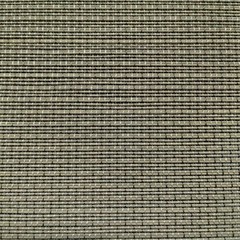
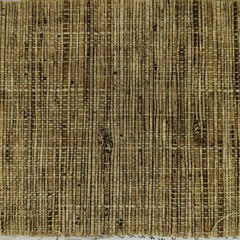
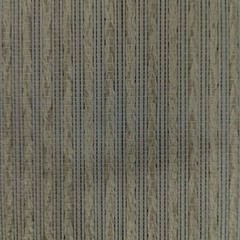
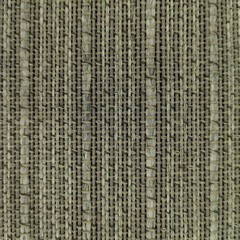
Roller woven shades are typically made from natural materials such as bamboo, jute, or other types of woven fibers. These materials have unique structures that can influence their ability to block UV rays. The tightness of the weave is a crucial factor. A densely woven shade will generally block more UV rays than a loosely woven one.
The natural fibers in roller woven shades have some built - in properties that can provide a certain level of UV protection. For example, bamboo has a natural density that can act as a barrier against UV light. Additionally, the color and texture of the shade can also play a role. Darker colors tend to absorb more UV rays compared to lighter colors, and a textured surface can scatter the UV rays, reducing their direct penetration.
Measuring UV Blocking Capabilities
The UV - blocking ability of roller woven shades is usually measured by the Ultraviolet Protection Factor (UPF). The UPF rating indicates how much UV radiation can penetrate the fabric. For instance, a UPF rating of 50+ means that only 1/50th or 2% of the UV rays can pass through the fabric.
When selecting roller woven shades, it's important to look for products that have a high UPF rating. As a supplier, we ensure that our Roller Woven Shades meet high standards in terms of UV protection. We conduct tests on our products to determine their UPF ratings and provide this information to our customers so that they can make informed decisions.
Advantages of Roller Woven Shades in UV Blocking
- Natural and Sustainable Solution: Unlike some synthetic window coverings, roller woven shades are made from natural materials. This makes them an environmentally friendly option for blocking UV rays. The natural fibers used in these shades are renewable and biodegradable.
- Aesthetic Appeal: In addition to their UV - blocking capabilities, roller woven shades add a touch of warmth and elegance to any room. They come in a variety of textures and colors, allowing homeowners to choose a style that matches their interior decor. You can explore our Textured Woven Roller Shades collection, which offers a wide range of unique looks.
- Flexibility in Light Control: Roller woven shades can be adjusted to control the amount of sunlight and UV rays entering the room. You can roll them up partially or completely, depending on your needs. This flexibility is especially useful for rooms where you want to balance natural light with UV protection.
Limitations and Considerations
While roller woven shades can provide a significant amount of UV protection, they do have some limitations. Over time, the natural fibers may degrade, especially if they are exposed to direct sunlight for extended periods. This can reduce their UV - blocking efficiency.
It's also important to note that the angle of the sun plays a role in how much UV radiation gets through the shades. During certain times of the day, when the sun is at a low angle, UV rays may be able to penetrate more easily, even through a well - woven shade. Therefore, it's a good idea to combine the use of roller woven shades with other forms of UV protection, such as sunscreen on the windows or closing the shades during peak sun hours.
Comparing with Other Window Coverings
When compared to traditional blinds or curtains, roller woven shades can offer a different level of UV protection. For example, blinds made of plastic or metal may reflect some UV rays, but they may not absorb them as effectively as the natural fibers in roller woven shades. Curtains, on the other hand, may provide good insulation but may not have the same level of UV - blocking efficiency as a high - quality roller woven shade.


Our Woven Cordless Roller Shades offer a convenient and stylish alternative to other window coverings. They are easy to operate and can provide excellent UV protection, making them a great choice for both residential and commercial spaces.
Conclusion and Call to Action
In conclusion, roller woven shades can be an effective solution for blocking UV rays, thanks to their natural materials, weave density, and surface properties. However, it's important to consider their limitations and use them in combination with other UV - protection methods for optimal results.
If you are interested in purchasing high - quality roller woven shades that offer reliable UV protection, we invite you to explore our product range. We are committed to providing our customers with the best - quality window coverings that not only enhance the aesthetic appeal of their spaces but also protect their interiors from the harmful effects of UV rays. Contact us for a detailed discussion on our products and to start a procurement process tailored to your specific needs.
References
- American Academy of Dermatology. "Ultraviolet (UV) Radiation."
- Textile Institute. "Testing of Ultraviolet Protection Factor (UPF) of Fabrics."