

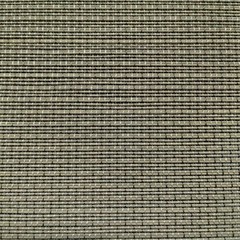
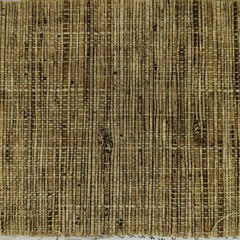
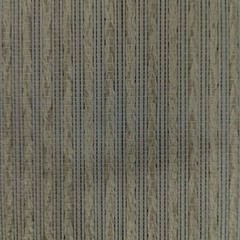
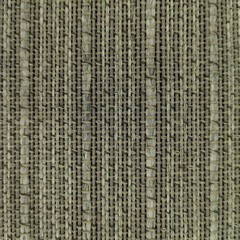
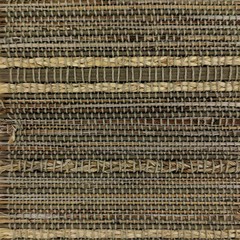
As a supplier of Window Blinds Fabric Rolls, I understand the importance of maintaining the pristine appearance of these products. Stains on window blinds fabric rolls can be a common and frustrating issue, but with the right techniques, they can be effectively removed. In this blog, I'll share some scientific and practical methods to help you keep your window blinds fabric rolls looking their best.
Understanding the Types of Stains
Before diving into the removal process, it's crucial to identify the type of stain you're dealing with. Different stains require different treatment methods. Here are some common types of stains and their characteristics:
- Grease and Oil Stains: These stains are often caused by cooking oil, hand oils, or other greasy substances. They typically appear as dark, shiny spots on the fabric.
- Dirt and Dust Stains: Regular exposure to dust and dirt can accumulate on the blinds over time, resulting in a dull, grayish appearance.
- Food and Beverage Stains: Spills from coffee, tea, wine, or other liquids can leave colorful stains on the fabric.
- Mildew and Mold Stains: In humid environments, mildew and mold can grow on the blinds, causing black or greenish spots.
General Pre - treatment Steps
Before applying any stain - removal method, it's important to perform some general pre - treatment steps:


- Vacuuming: Use a vacuum cleaner with a soft brush attachment to gently remove loose dirt and dust from the blinds. This will prevent the dirt from spreading during the stain - removal process.
- Testing a Small Area: Always test the stain - removal solution on a small, inconspicuous area of the fabric first. This helps to ensure that the solution does not cause any discoloration or damage to the fabric.
Specific Stain Removal Methods
Grease and Oil Stains
- Dish Soap Solution: Mix a small amount of mild dish soap with warm water. Dip a clean, soft cloth into the solution and gently blot the stain. Avoid rubbing, as this can spread the stain. Rinse the cloth frequently and continue blotting until the stain is removed. Then, use a clean, damp cloth to remove any soap residue.
- Cornstarch or Talcum Powder: Sprinkle cornstarch or talcum powder on the stain and let it sit for a few hours. The powder will absorb the grease. Afterward, vacuum the powder off the blinds.
Dirt and Dust Stains
- Warm Water and Vinegar: Mix equal parts of warm water and white vinegar in a spray bottle. Spray the solution onto the blinds and use a soft cloth to wipe away the dirt. Vinegar is a natural cleaning agent that can effectively break down dirt and grime.
- Baking Soda Paste: Make a paste by mixing baking soda with a small amount of water. Apply the paste to the stained areas and let it sit for 15 - 20 minutes. Then, use a soft brush or cloth to gently scrub the area and rinse with clean water.
Food and Beverage Stains
- Cold Water Rinse: For fresh food and beverage stains, immediately rinse the affected area with cold water. This can help to remove the stain before it sets.
- Stain Remover: If the stain persists, use a commercial stain remover specifically designed for fabrics. Follow the instructions on the product label carefully.
Mildew and Mold Stains
- Bleach Solution: For white or light - colored fabrics, a solution of one part bleach to ten parts water can be used. Wear gloves and apply the solution to the stained area with a sponge. Let it sit for a few minutes, then rinse thoroughly with clean water.
- Hydrogen Peroxide: Hydrogen peroxide can also be effective in removing mildew and mold stains. Apply a small amount of hydrogen peroxide to the stain and let it bubble for a few minutes. Then, rinse with water.
Special Considerations for Different Fabric Types
- Linen Roll Up Curtains: Linen is a natural fabric that can be delicate. When cleaning linen window blinds, use mild cleaning solutions and avoid harsh chemicals. Linen Roll Up Curtains are known for their natural look and feel, and proper care is essential to maintain their appearance.
- Tweed Roller Blind: Tweed is a durable and textured fabric. For tweed blinds, use a soft brush to gently clean the surface. Vacuuming regularly can also help to keep the fabric clean. Tweed Roller Blind adds a touch of elegance to any room, and stain removal should be done with care.
- Roll Of Curtain Lining Fabric: Curtain lining fabric is often used to block light and provide insulation. When cleaning curtain lining fabric, be careful not to damage the lining. Use a gentle cleaning solution and follow the same pre - treatment and stain - removal steps as mentioned above. Roll Of Curtain Lining Fabric can enhance the functionality of your window blinds.
Preventive Measures
- Regular Cleaning: Establish a regular cleaning schedule for your window blinds. Vacuuming or dusting them once a week can prevent the accumulation of dirt and dust.
- Avoid Spills: Be mindful of spills and take immediate action if they occur. Place coasters under drinks and avoid eating near the blinds.
- Proper Storage: If you need to store your window blinds, make sure they are clean and dry. Store them in a cool, dry place to prevent mildew and mold growth.
Conclusion
Removing stains from window blinds fabric rolls is a manageable task if you follow the right methods. By understanding the type of stain, performing pre - treatment steps, and using appropriate cleaning solutions, you can keep your window blinds looking clean and fresh. As a Window Blinds Fabric Roll supplier, I'm committed to providing high - quality products and helpful advice. If you're interested in purchasing our window blinds fabric rolls or have any questions about stain removal, please feel free to reach out to us. We're here to assist you in finding the perfect window blinds for your needs.
References
- "Textile Care and Cleaning Guide" - American Cleaning Institute
- "Fabric Stain Removal Handbook" - Textile Research Institute