

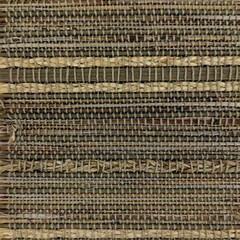
When it comes to window blinds fabric rolls, one of the most common questions customers ask is about the difference between natural and synthetic materials. As a supplier of Window Blinds Fabric Rolls, I've had the opportunity to work with both types extensively and understand their unique characteristics. In this blog, I'll delve into the key differences between natural and synthetic window blinds fabric rolls to help you make an informed decision for your next project.
Composition and Source
Natural window blinds fabric rolls are made from materials that are derived directly from nature. Common natural fibers used in window blinds include cotton, linen, and jute. Cotton is a soft, breathable fiber that is known for its comfort and versatility. Linen, made from the flax plant, is highly absorbent and has a natural sheen that gives it an elegant look. Jute, on the other hand, is a coarse fiber that is often used for a more rustic or natural aesthetic.
Synthetic window blinds fabric rolls, on the other hand, are made from man - made materials. Polyester, nylon, and PVC are some of the most commonly used synthetic fibers. Polyester is a popular choice due to its durability, resistance to wrinkles, and ease of maintenance. Nylon is known for its strength and elasticity, while PVC is often used for its water - resistance and affordability.
Appearance
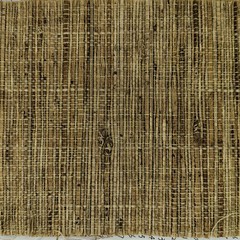
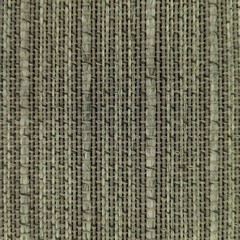
Natural fabrics have a unique, organic look and feel. They often have a slightly irregular texture, which adds to their charm. For example, linen has a distinct slub texture that gives it a more natural and relaxed appearance. Cotton can also have a soft, lived - in look, especially if it is a natural or unbleached variety.
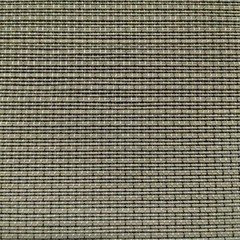
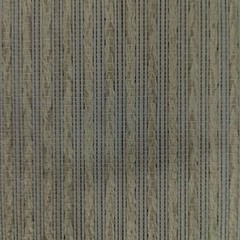
Synthetic fabrics, on the other hand, can be engineered to have a more uniform appearance. They can mimic the look of natural fabrics, but with a more consistent texture. For instance, some synthetic fabrics are designed to look like linen or wood, providing a cost - effective alternative with a similar aesthetic.
Durability
In terms of durability, synthetic fabrics generally have an edge. Polyester, for example, is highly resistant to wear and tear, fading, and stretching. It can withstand frequent use and exposure to sunlight without losing its shape or color. Nylon is also very strong and can handle a lot of stress, making it a good choice for high - traffic areas.
Natural fabrics, while they can be durable, may require more care. Cotton, for example, can shrink if not washed properly, and linen may wrinkle easily. However, with proper maintenance, natural fabrics can last a long time. Jute, in particular, is quite strong and can be a good option for a durable, natural - looking blind.
Maintenance
Synthetic fabrics are often easier to maintain. They are typically machine - washable and resistant to stains. A simple wipe or a quick wash in the washing machine can keep them looking clean. For example, PVC blinds can be easily cleaned with a damp cloth, making them a great choice for kitchens and bathrooms.
Natural fabrics may require more delicate care. Cotton and linen may need to be ironed to keep them looking neat, and they may be more prone to staining. However, there are ways to minimize these issues. For example, treating natural fabrics with a stain - resistant finish can help protect them.


Environmental Impact
Natural fabrics are generally more environmentally friendly. They are biodegradable, which means they will break down naturally over time. Cotton and linen are renewable resources, as they are grown from plants. Jute is also a sustainable option, as it is a fast - growing plant that requires less water and pesticides compared to other crops.
Synthetic fabrics, on the other hand, are made from petrochemicals, which are non - renewable resources. They are not biodegradable and can take hundreds of years to break down in landfills. However, some synthetic fabrics are now being made from recycled materials, which helps to reduce their environmental impact.
Cost
The cost of natural and synthetic window blinds fabric rolls can vary. Generally, natural fabrics tend to be more expensive, especially high - quality cotton and linen. This is due to the cost of growing and processing the raw materials. Jute is often more affordable, but it may have a more limited range of colors and styles.
Synthetic fabrics are usually more budget - friendly. Polyester and PVC are relatively inexpensive to produce, making them a popular choice for customers on a tight budget. However, the quality of synthetic fabrics can vary, and it's important to choose a high - quality product to ensure durability.
Applications
Natural fabrics are often used in more traditional or rustic settings. They can add a warm and inviting touch to a room. For example, Linen Roll Up Curtains are a popular choice for bedrooms and living rooms, as they provide a soft, natural look.
Synthetic fabrics are more versatile in terms of their applications. They can be used in a variety of settings, from residential to commercial. Cordless Woven Blinds made from synthetic materials are often used in offices and public spaces due to their durability and ease of maintenance.
Insulation and Light Control
Natural fabrics can provide good insulation, especially linen and cotton. They can help to keep a room warm in the winter and cool in the summer. However, their light - control capabilities may be limited, especially if they are a lightweight fabric.
Synthetic fabrics can be engineered to provide excellent light control. Some synthetic blinds are designed to block out 100% of the sunlight, making them a great choice for bedrooms and media rooms. They can also provide good insulation, especially if they are a thick or multi - layered fabric.
Aesthetics and Style
Natural fabrics offer a warm and inviting aesthetic. They can add a touch of elegance and sophistication to a room. The natural textures and colors of these fabrics can create a cozy and comfortable atmosphere.
Synthetic fabrics can offer a wide range of styles, from modern and sleek to traditional. They can be printed with various patterns and designs, allowing for more customization. For example, Roll Of Curtain Lining Fabric can be used to add a decorative touch to a window.
In conclusion, both natural and synthetic window blinds fabric rolls have their own unique advantages and disadvantages. The choice between the two depends on your specific needs, preferences, and budget. If you value a natural, organic look and are willing to invest in proper maintenance, natural fabrics may be the right choice for you. On the other hand, if you need a durable, low - maintenance option that offers a wide range of styles, synthetic fabrics may be more suitable.
If you're interested in purchasing window blinds fabric rolls, I'd be more than happy to assist you. Whether you're looking for natural or synthetic materials, we have a wide selection to choose from. Contact us to start a discussion about your project and find the perfect fabric for your needs.
References
- "Textiles: Fibers, Yarns, and Fabrics" by Mary W. Brooks and Elizabeth B. Andrews
- "The Handbook of Window Coverings" by Judith Miller
- Various industry reports on window blinds fabric materials