

Hey there! As a supplier of window shade materials, I've seen firsthand how different materials can have a big impact on the temperature inside a room. In this blog, I'm gonna break down the various window shade materials and how they affect room temperature.
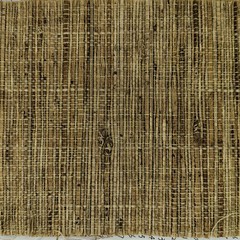
Let's start with one of the most popular materials: linen. Linen is a natural fiber that's known for its breathability. When you use Linen Roll Up Curtains, they allow some air to circulate through the fabric. This can be great for keeping a room cool in the summer. The open weave of linen doesn't block out all the sunlight, but it does diffuse it. So, instead of having direct sunlight heating up your room, you get a softer, more even light. This can prevent the room from getting too hot.
On the other hand, in the winter, linen can also provide some insulation. It traps a small amount of air between its fibers, which acts as a barrier against the cold outside. But it's not as effective as some other materials when it comes to really keeping the cold out.
Another material that's quite trendy is tweed. Tweed Roller Blind is a thick and durable option. Tweed has a tight weave, which makes it great at blocking out sunlight. In the summer, it can keep your room significantly cooler by preventing the sun's rays from entering. It acts like a shield, reducing the amount of heat that gets into the room.
In the winter, tweed is also a good insulator. Its thick texture traps air, creating a layer of warmth. It can help keep the heat inside the room, reducing your heating bills. However, because it's so thick, it might make the room a bit dark, especially during the day.
Now, let's talk about general roll - up blind fabrics. Roll Of Blind Fabric comes in a variety of materials, and each has its own impact on room temperature. Some synthetic fabrics are designed to reflect sunlight. These fabrics have a shiny or metallic coating that bounces the sun's rays back outside. This can be extremely effective in the summer, as it keeps the room cool without blocking your view completely.
In the winter, some of these reflective fabrics can also help by reflecting the heat back into the room. But it really depends on the specific type of fabric. Some might not be as good at insulation as natural materials like tweed.
Vinyl is another option. Vinyl window shades are often used in areas where moisture is a concern, like bathrooms. They're easy to clean and can block a good amount of sunlight. In terms of temperature control, vinyl can be a bit hit - or - miss. It can block sunlight well in the summer, but it doesn't provide much insulation in the winter. It's more of a practical choice for certain spaces rather than a top - notch temperature - controlling material.


Then there's blackout fabric. Blackout shades are designed to completely block out sunlight. They're great for bedrooms, especially if you want to sleep during the day or if you live in an area with a lot of light pollution. In the summer, they can keep your room cool by preventing the sun's heat from entering. In the winter, they can also help with insulation, as they create a barrier between the inside and outside.
Now, let's consider the installation of these window shades. How you install them can also affect their temperature - controlling abilities. For example, if you install a shade close to the window glass, it can trap a layer of air between the shade and the glass. This air layer acts as an insulator, both in the summer and winter.
If you're looking for a way to improve the energy efficiency of your home or office, choosing the right window shade material is crucial. You need to think about your climate, the orientation of your windows, and your personal preferences. For instance, if you live in a hot climate with a lot of sunlight, you might want to go for a reflective or blackout material. If you're in a colder climate, a thick, insulating material like tweed could be a better choice.
As a window shade material supplier, I've helped many customers find the perfect material for their needs. Whether you're looking for something to keep your room cool in the summer or warm in the winter, I've got a wide range of options. If you're interested in learning more about our window shade materials or want to discuss your specific requirements, don't hesitate to reach out. We can have a chat about which material would work best for your space and how it can impact the temperature inside your room.
In conclusion, different window shade materials have different effects on room temperature. Linen is breathable and provides some insulation, tweed is great for blocking sunlight and keeping the room warm, reflective fabrics can bounce sunlight back, and blackout shades are excellent for both heat and light control. By choosing the right material and installing it properly, you can create a more comfortable and energy - efficient space.
If you're ready to take the next step and start improving the temperature control in your room, get in touch with us. We're here to help you make the best choice for your needs.
References
- "Energy - Efficient Window Treatments" by the U.S. Department of Energy
- "The Impact of Window Coverings on Indoor Temperature" from a research paper in the Journal of Building Science