

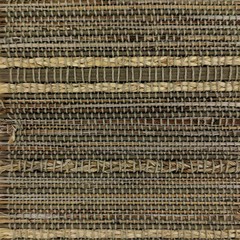
1. Cutting Bamboo Strips
First, select high-quality bamboo and cut it into strips of the same size and length. This step is fundamental to making bamboo curtains; the size and shape of the bamboo strips directly affect the final curtain's aesthetics and practicality.
2. Arranging and Fixing
Arrange the cut bamboo strips in sequence, ensuring each strip is tightly adjacent without gaps. Then, use nails or other fixing tools to secure the strips together, forming a complete bamboo curtain. When fixing, pay attention to the force and position to avoid loosening or deforming the strips.
3. Installing Tracks and Pulleys
To enable the bamboo curtain to roll up, tracks and pulleys need to be installed. First, install a track above the wall or window, ensuring it is flat and stable. Then, install pulleys at the top of the bamboo curtain and connect them to the track. This allows the bamboo curtain to roll up and down smoothly on the track using the pulleys.
4. Precautions
When making bamboo roller blinds, special attention needs to be paid to the installation quality of the tracks and pulleys, as well as the flexibility and durability of the bamboo itself. The tracks and pulleys must be securely and reliably installed to prevent loosening or detachment during use. At the same time, the material and craftsmanship of the bamboo blinds must meet quality requirements to ensure they can be used for a long time without deformation or damage.
5. Decoration and Aesthetics
Finally, the bamboo blinds can be decorated and aesthetically pleasing according to personal preferences and needs. For example, patterns or text can be added to the bamboo blinds, or they can be combined with other decorative items to enhance the overall aesthetics and cultural atmosphere of the home.