

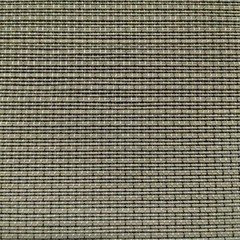
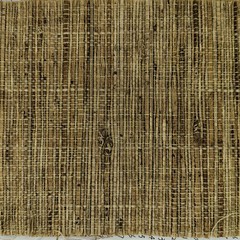
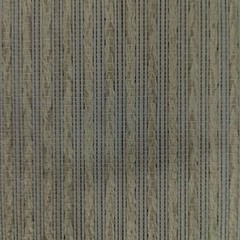
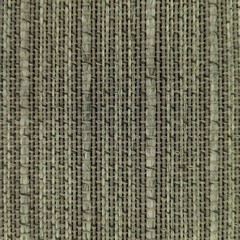
When it comes to window shades, the performance in high - humidity environments is a crucial factor that many customers are concerned about. As a window shades material supplier, I've had the opportunity to study and understand how different materials fare in such conditions.
Understanding High - Humidity Environments
High - humidity environments are characterized by a significant amount of moisture in the air. This can occur in areas near large bodies of water, in tropical regions, or even in homes with poor ventilation. The excess moisture can have a profound impact on window shade materials, potentially leading to issues such as mold growth, warping, and degradation.
Common Window Shade Materials and Their Performance
1. Woven Blinds
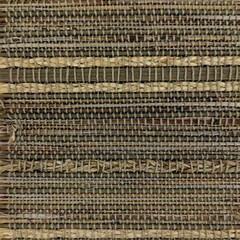
Cordless Woven Blinds are a popular choice for many homeowners. These blinds are often made from natural fibers such as bamboo or jute. In high - humidity environments, natural fibers have both advantages and disadvantages.
On the positive side, natural fibers are breathable. This means that they can allow air to circulate through the material, which helps to prevent the buildup of moisture. However, they are also porous, which makes them more susceptible to mold and mildew growth. If not properly maintained, the fibers can absorb water and become a breeding ground for these unwanted organisms. To mitigate this risk, it's important to choose woven blinds that have been treated with anti - mold and mildew agents. Regular cleaning and proper ventilation can also help to keep these blinds in good condition.
2. Linen Roll Up Curtains
Linen Roll Up Curtains are another option for window coverings. Linen is a natural fiber made from the flax plant. It is known for its durability and breathability. In high - humidity environments, linen can perform quite well.
Linen has a natural ability to absorb moisture from the air. When the humidity levels are high, the linen fibers will absorb the excess moisture, and then release it back into the air when the humidity drops. This helps to regulate the humidity in the room. However, like other natural fibers, linen can also be prone to mold growth if it remains wet for an extended period. To prevent this, it's important to ensure that the curtains are not constantly exposed to water and that they are dried thoroughly if they do get wet.
3. Tweed Roller Blinds
Tweed Roller Blind are made from a thick, woven fabric. Tweed is typically made from wool or a blend of wool and other fibers. In high - humidity environments, tweed has some unique properties.


Wool is a natural insulator and can help to keep the room warm in cold, humid conditions. It also has the ability to absorb and release moisture, similar to linen. However, wool is more prone to shrinkage if it gets wet. In high - humidity environments, it's important to take extra care when cleaning tweed roller blinds. Avoid using excessive water and instead opt for dry - cleaning methods whenever possible.
Strategies for Maintaining Window Shades in High - Humidity Environments
Regardless of the material, there are several strategies that can be employed to ensure the longevity of window shades in high - humidity environments.
- Proper Ventilation: Ensuring good air circulation in the room is essential. This can be achieved by opening windows regularly or using fans to move the air around. Good ventilation helps to reduce the humidity levels in the room and prevents moisture from accumulating on the window shades.
- Regular Cleaning: Regular cleaning can help to remove dirt, dust, and any potential mold or mildew spores from the window shades. For natural fiber materials, it's important to use gentle cleaning methods to avoid damaging the fibers.
- Use of Dehumidifiers: In extremely high - humidity environments, using a dehumidifier can be an effective way to reduce the moisture levels in the air. This can help to protect the window shades from the negative effects of excess humidity.
Choosing the Right Window Shade Material for High - Humidity Environments
When selecting window shade materials for high - humidity environments, it's important to consider the specific needs and conditions of the space.
If breathability is a top priority, natural fiber materials such as linen or woven blinds may be a good choice. However, they require more maintenance to prevent mold growth. On the other hand, if durability and resistance to shrinkage are important, synthetic materials or blends may be more suitable.
As a window shades material supplier, I can offer a wide range of options to meet the diverse needs of customers in high - humidity environments. Whether you're looking for a stylish and functional solution for your home or business, I can help you find the right window shade material.
If you're interested in learning more about our window shade materials or would like to discuss your specific requirements, please feel free to reach out. We're here to assist you in making the best choice for your space.
References
- "Window Treatments for Humid Climates," Home Decor Magazine, 20XX.
- "The Effects of Humidity on Textile Materials," Textile Research Journal, 20XX.
- "Maintaining Window Shades in High - Humidity Areas," DIY Home Improvement Guide, 20XX.