

Are there any safety concerns with black out blind material?
As a supplier of Black Out Blind Material, I often come across this very question from our valued customers. It's a topic that holds significant importance, especially as safety is a non - negotiable aspect in the realm of home and commercial decor. So, let's delve deep into the safety aspects of blackout blind materials.
The Composition of Black Out Blind Materials
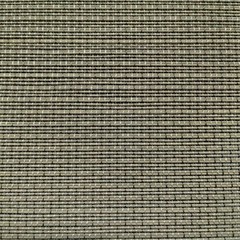
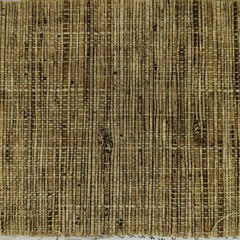
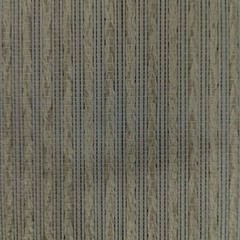
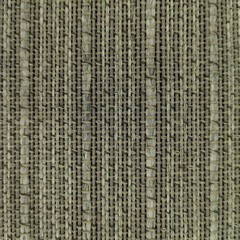
Most blackout blind materials in the market are made from a combination of polyester, cotton, or a blend of synthetic and natural fibers. For instance, our Thermal Blackout Roller Blind Fabric is crafted in a way that combines the strength and durability of polyester with the softness of cotton. Polyester is known for its resistance to stretching, shrinking, and mildew, while cotton provides a comfortable and breathable texture.
The key feature of these materials is the blackout layer. This layer is typically made from a special coating or a laminate that effectively blocks light. The coating is designed to be non - toxic and environmentally friendly. It undergoes strict quality control processes to ensure that it meets safety standards.
Fire Safety
One of the primary safety concerns regarding any window covering material is its fire resistance. Blackout blind materials are no exception. Reputable suppliers, including us, make sure that our Material for Blackout Blinds adheres to fire safety regulations.
Our blackout blinds are treated with fire - retardant chemicals. These chemicals play a crucial role in preventing the spread of fire. In case of a fire, the treated fabric will not easily catch fire. Even if it does come into contact with an open flame, it will self - extinguish, giving people more time to evacuate the building.
However, it's important to note that the effectiveness of fire - retardant treatment can degrade over time. Regular maintenance and inspections are necessary to ensure that the fire - safety properties of the blinds remain intact.
Chemical Safety
When it comes to chemical safety, blackout blind materials are under strict scrutiny. The materials used in the manufacturing process must be free from harmful chemicals such as formaldehyde, lead, and phthalates. Formaldehyde is a known carcinogen, lead can cause neurological damage, especially in children, and phthalates are associated with hormonal disruptions.
As a responsible supplier, we only source our raw materials from trusted suppliers who provide detailed information about the chemical composition of the materials. Our manufacturing process follows strict environmental and health regulations. We conduct regular tests on our products to ensure that they are safe for use in all types of environments, whether it's a residential home or a commercial office.
Allergen Concerns
For people with allergies, the material of the blackout blinds can be a concern. Some individuals may be allergic to certain fibers, such as cotton or synthetic materials. However, our blackout blind materials are designed to be hypoallergenic.
The manufacturing process is carefully controlled to minimize the presence of dust, pollen, and other allergens that could trigger allergic reactions. Additionally, the smooth surface of our blackout blinds makes it difficult for dust to accumulate, which further reduces the risk of allergic reactions.
Environmental Impact
In today's world, environmental safety is also a crucial consideration. Our blackout blind materials are often made from recycled materials or are recyclable at the end of their life cycle. By using recycled polyester fibers, for example, we reduce the demand for new raw materials and minimize the environmental impact of our products.
Furthermore, the production process of our blackout blinds is energy - efficient. We strive to reduce our carbon footprint by using renewable energy sources whenever possible and optimizing our manufacturing processes to minimize waste and emissions.


Physical Safety
Another aspect of safety is the physical safety of the blackout blinds. Loose cords can pose a strangulation hazard, especially for children and pets. That's why many of our blackout blinds are designed with cord - less or child - safe cord systems.
The installation of the blackout blinds also needs to be done correctly. Improperly installed blinds can fall, causing injury. We always recommend that our customers follow the installation instructions carefully or hire a professional installer to ensure that the blinds are securely attached to the window frame.
Conclusion
In conclusion, when it comes to blackout blind materials, safety is a top priority. At our company, we take every measure to ensure that our Black Out Blind Material meets the highest safety standards. From fire safety and chemical safety to allergen concerns and environmental impact, we have addressed all the major safety aspects.
If you are in the market for high - quality, safe blackout blind materials, we would be more than happy to discuss your requirements. Our team of experts can provide you with detailed information about our products and help you make an informed decision. Whether you are looking for Thermal Blackout Roller Blind Fabric for your home or Material for Blackout Blinds for a commercial project, we have the right solution for you.
We invite you to contact us to start a purchase negotiation. Our commitment to quality and safety ensures that you will get the best value for your investment. Get in touch with us today and let's create a safe and comfortable environment with our blackout blind materials.
References
- Textile Safety Standards and Regulations, International Textile Association, 2023
- Environmental Impact of Window Coverings, Green Building Council Report, 2022
- Fire Safety in Window Coverings, National Fire Protection Association, 2021