

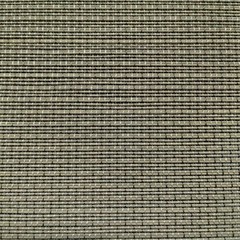
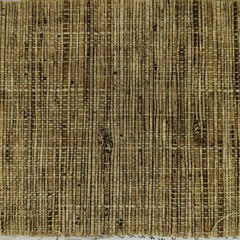
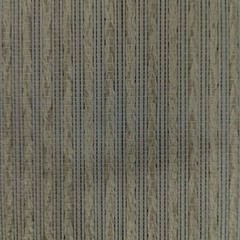
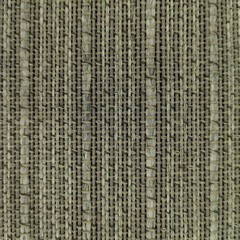
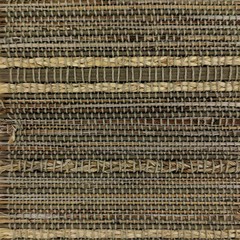
Selecting the right material for window blinds is crucial to achieving both aesthetic and functional goals. With a wide range of natural options available, including bamboo, hemp, wood, rattan, and paper, it can be difficult to know which material is the best fit for your needs. This guide will help you understand the unique characteristics of each material and assist you in making an informed decision.
Bamboo blinds are one of the most popular choices for eco-conscious consumers. Bamboo is lightweight, strong, and highly durable, making it an ideal option for areas that require frequent adjustment, such as living rooms or offices. The natural texture and color of bamboo also make it a versatile material that can complement various interior design styles, from modern minimalism to rustic charm. Bamboo blinds are an excellent choice for those seeking both functionality and aesthetic appeal, as they offer a balance of light filtration and privacy.
Wooden blinds, known for their timeless beauty, provide superior insulation and energy efficiency. Wood is a dense material that naturally traps heat, making it ideal for colder climates. The rich, natural appearance of wood also adds a warm, elegant touch to any room. Wooden blinds are highly customizable, with options available in a variety of stains and finishes to match any décor. However, wooden blinds can be heavier than bamboo or hemp, so they may require more robust hardware for installation.
Hemp fiber blinds are a great choice for those seeking a sustainable and eco-friendly option. Hemp is a durable material that can withstand wear and tear, making it suitable for high-traffic areas. Hemp blinds are typically woven into a mesh-like pattern, offering a unique texture and organic look. The fibers also provide excellent light filtration, creating a soft, ambient glow in the room. While hemp blinds may not offer the same level of insulation as wood, they are an excellent choice for those looking for a natural, rustic aesthetic.
Rattan blinds, with their tropical, woven appearance, are perfect for creating a laid-back, bohemian atmosphere. Rattan is highly flexible, making it easy to weave into intricate patterns. These blinds are ideal for spaces such as patios, sunrooms, or vacation homes, where their ability to filter light while maintaining an airy, relaxed vibe is highly valued. Rattan is less durable than wood or bamboo but can still withstand moderate wear.
Paper-based blinds are an affordable, lightweight option that is often used for temporary or seasonal applications. Paper blinds are easy to install and remove, making them a great choice for short-term needs. While not as durable as other natural materials, they are an excellent solution for budget-conscious consumers or those in need of a quick, eco-friendly window treatment.
Choosing the right material depends on factors such as durability, aesthetic preference, and the specific needs of your space. By considering the unique benefits of bamboo, wood, hemp, rattan, and paper, you can make an informed decision that will enhance the functionality and beauty of your home or business.