

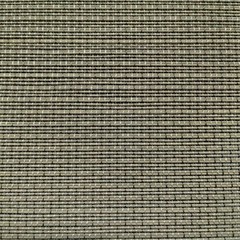
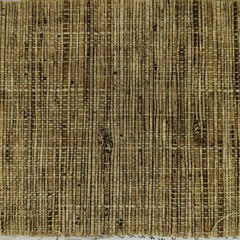
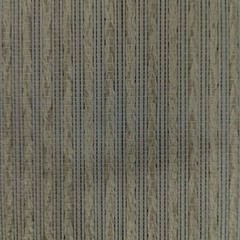
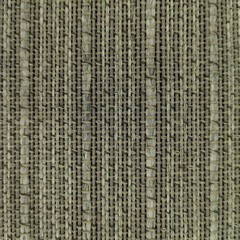
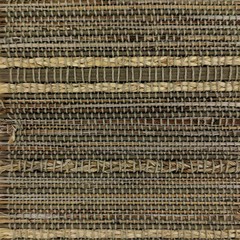
The window blind industry is experiencing a significant shift towards sustainability, with natural materials like bamboo, wood, hemp, and rattan taking center stage. As consumer demand for environmentally friendly products increases, the industry is evolving to meet these expectations, and several key trends are emerging that highlight the growing influence of sustainability in window coverings.
One of the most notable trends is the increasing preference for renewable materials. Bamboo, which is one of the fastest-growing plants on Earth, is quickly becoming a favorite for window blinds. Bamboo's sustainability is not only a key selling point but also its strength, durability, and versatility. Unlike traditional hardwoods, bamboo grows quickly, requires little water, and can be harvested without harming the ecosystem. This makes it an ideal material for those seeking an eco-friendly alternative to conventional window blinds.
Another significant trend is the rise of hemp-based products. Hemp, which has been used for centuries in textiles and other materials, is now being recognized for its environmental benefits. Hemp is a highly renewable resource that requires minimal water and pesticides to grow, making it an
excellent choice for eco-conscious consumers. Hemp fiber blinds are increasingly popular due to their natural texture, durability, and biodegradability. As more people adopt sustainable living practices, the demand for hemp-based window coverings is expected to rise.
Wooden blinds are also evolving with the trend towards sustainability. Many manufacturers are now sourcing wood from certified sustainable forests, ensuring that their products have a minimal environmental impact. This shift towards responsible sourcing is driven by both consumer demand and increasing regulations on deforestation. Additionally, the aesthetic appeal of wood blinds remains strong, as they offer a timeless look that complements a wide variety of interior styles. In response to this growing demand, many companies are developing innovative wood finishes and treatments that enhance the durability and longevity of wooden blinds, ensuring that they remain a popular choice for years to come.
In addition to these material trends, there is also a growing interest in the integration of technology in window blinds. Smart blinds that can be controlled remotely through smartphones or voice-activated assistants are becoming more popular in both residential and commercial settings. These blinds allow users to adjust the amount of light entering a room, helping to reduce energy consumption and improve comfort. Some manufacturers are even incorporating solar-powered systems into their blinds, further enhancing their sustainability and energy efficiency.
As the market for sustainable window blinds continues to grow, it is clear that the industry is moving towards a future where eco-friendly materials and technologies are the norm, rather than the exception. With a focus on renewable resources, energy efficiency, and responsible sourcing, the future of window blinds looks promising for both consumers and the environment.