

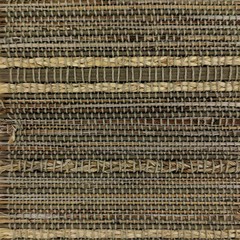
Natural window blinds made from materials such as bamboo, wood, hemp, and rattan offer a blend of aesthetic appeal and practical functionality. To understand how these blinds work, it is important to explore their technical structure and the principles behind their light-filtering and insulating properties.
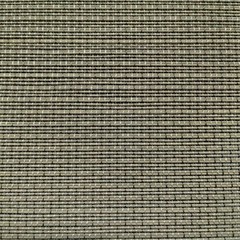
Bamboo blinds, which are commonly used in both horizontal and vertical slat designs, consist of thin bamboo slats woven together to form a cohesive surface. The bamboo is typically treated to enhance its durability and resistance to environmental factors, such as humidity and temperature fluctuations. This process ensures that the blinds maintain their structural integrity over time. When installed, bamboo blinds provide adjustable light control by allowing users to tilt or raise the slats, controlling the amount of light that enters the space. Bamboo's natural ability to block out UV rays also contributes to better insulation and protection against sun damage to furniture and flooring.
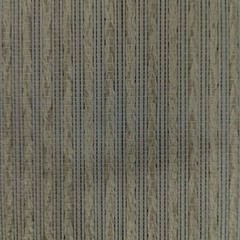
Wooden blinds are constructed with slats made from solid wood, often sourced from sustainable forests. The wood is treated and finished to ensure a smooth, uniform surface that resists fading, warping, and cracking. Wooden slats are typically mounted on a headrail system, which allows for easy adjustment of the slats to control light and privacy levels. The natural density of wood makes it highly effective at insulating spaces, helping to maintain consistent temperatures within a room by blocking out heat in the summer and trapping warmth in the winter. This property makes wood blinds particularly suited for use in homes and offices that require energy-efficient solutions.
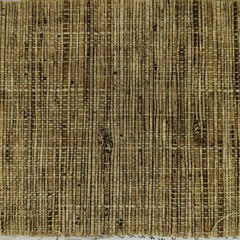
Hemp fiber blinds are constructed by weaving hemp fibers into a mesh-like pattern. The fibers are sourced from the hemp plant, which is known for its strength and flexibility. These blinds are typically mounted on a standard roller system, allowing them to be raised and lowered as needed. The natural texture of hemp fibers provides excellent light filtration, creating a soft, diffused glow in any room. Hemp fiber blinds are also highly resistant to wear and tear, making them a durable option for high-traffic areas.
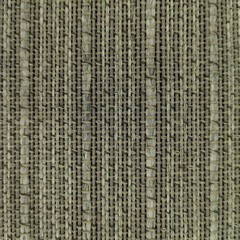
Rattan blinds are made from the flexible stems of the rattan plant, which are woven into intricate patterns to create blinds that are both strong and visually appealing. These blinds are typically mounted using a sliding mechanism, similar to bamboo blinds, which allows for easy adjustment of the slats. The flexible nature of rattan allows for the creation of blinds that can bend and curve, making them ideal for unique window shapes and designs. The open weave of rattan also allows for a gentle flow of air, adding to its aesthetic appeal in tropical or coastal environments.
Paper-based blinds, although less durable, are typically made from multiple layers of paper, which are then reinforced with a thin plastic or fabric backing for added strength. The paper is usually perforated or pleated, allowing it to be adjusted to control the amount of light that passes through. While paper blinds are primarily used for temporary or seasonal applications, their lightweight construction makes them easy to install and remove, offering a flexible solution for homeowners and businesses alike.