

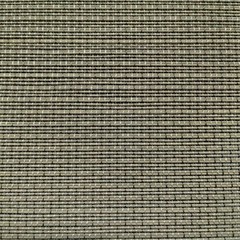
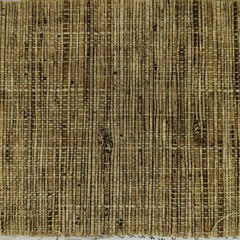
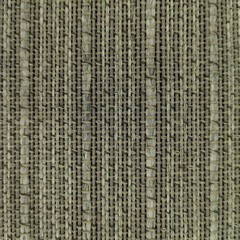
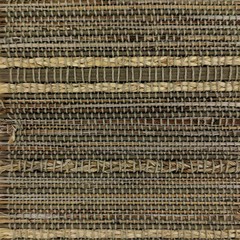
Natural window blind materials such as bamboo, hemp, wood, rattan, and paper are becoming increasingly sought after for their versatility in both residential and commercial applications. As consumers and businesses alike prioritize sustainability, the use of these materials is expanding beyond traditional window treatments into a broader range of settings, providing both functional and aesthetic benefits.
Bamboo blinds, for example, are particularly popular in residential spaces due to their sleek, natural look and light weight. They can be easily incorporated into various interior design styles, from modern minimalist to rustic and tropical settings. The light-filtering properties of bamboo make it an ideal choice for bedrooms and living rooms, where soft, diffused light is desired. Bamboo also offers excellent privacy, making it a great option for homes in densely populated areas.
In commercial spaces, bamboo and wood blinds are frequently used for their durability and aesthetic appeal. They are often seen in office buildings, hotels, and restaurants, where they not only add a touch of sophistication but also contribute to a more eco-friendly atmosphere. Bamboo's strength and resilience make it a suitable choice for high-traffic areas, while wooden blinds can offer superior insulation, helping to regulate indoor temperatures and reduce energy costs.
Hemp fiber blinds are particularly popular in eco-conscious communities and are favored for their rustic, organic appearance. Hemp, known for its environmental benefits, is often used in natural-themed or green building projects. The fiber's texture and natural color add warmth and character to a space, making it ideal for living rooms, kitchens, and dining areas. In addition to being environmentally friendly, hemp blinds are highly durable and resistant to wear, which makes them an excellent choice for both residential and commercial applications.
Rattan blinds, with their woven texture and tropical flair, are perfect for creating a boho or beach-inspired aesthetic. These blinds are commonly used in vacation homes, resorts, and outdoor patios, where their ability to filter light while maintaining a breezy, relaxed atmosphere is highly valued. Rattan's natural flexibility allows it to be woven into intricate patterns, making it a favorite for homeowners seeking to create unique and visually appealing spaces.
Paper-based blinds are a cost-effective option, offering a sustainable alternative for temporary or seasonal use. These blinds are lightweight, easy to install, and provide an elegant solution for reducing light exposure during particular times of the year. While not as durable as bamboo or wood, paper blinds are an excellent option for short-term applications such as in guest rooms, event spaces, or seasonal rentals.
The application of natural window blind materials is not limited to residential and commercial spaces. These materials are also gaining traction in hospitality settings, where hotels and resorts are increasingly adopting sustainable practices. Eco-friendly materials like bamboo and hemp are being used to create a serene and nature-inspired atmosphere, providing guests with a sense of connection to the environment. In fact, many eco-conscious consumers now seek out accommodations that align with their values, making natural window blinds a key element in creating green-certified, sustainable hotels.