

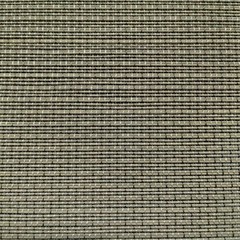
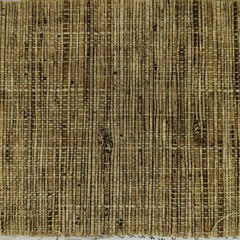
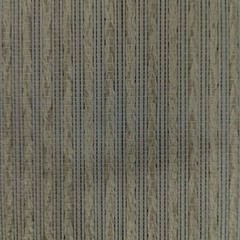
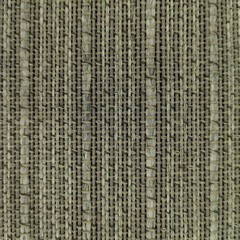
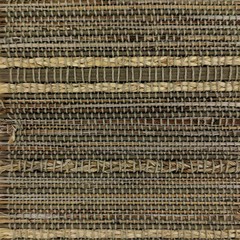
The window blind industry is undergoing a major shift towards sustainability, driven by growing consumer awareness of environmental issues and the increasing demand for eco-friendly products. As the construction and interior design sectors embrace more sustainable practices, the materials used in window treatments have also evolved. Traditional window blinds made from synthetic materials are gradually being replaced by options crafted from renewable, biodegradable resources such as bamboo, wood, hemp, grass, rattan, and paper. These natural materials are not only environmentally friendly but also offer unique aesthetic appeal and functional benefits.
Bamboo, in particular, has gained significant popularity due to its rapid growth rate and minimal resource requirements. Bamboo blinds are highly durable, lightweight, and resistant to humidity, making them ideal for a range of indoor environments, from homes to commercial spaces. Similarly, hemp, which has been used for thousands of years, is becoming increasingly prevalent in the window blind market due to its strength, flexibility, and sustainability. It is a highly durable fiber that, when woven into blinds, provides both a natural look and practical benefits such as excellent light filtering properties.
Wood, another popular material in the window blind industry, is being sourced more responsibly. With the rise of certified sustainable wood products, consumers can now enjoy the beauty of wooden blinds without compromising on environmental values. Rattan, with its tropical and organic appearance, is often used in woven blinds that provide a charming aesthetic while also serving as an excellent light blocker. Paper-based blinds, although not as durable, are gaining traction as an affordable, sustainable option for temporary or seasonal use.
This industry shift is also being influenced by rising consumer demand for products that contribute to healthier indoor environments. Natural window blind materials are free from the chemicals often found in synthetic products, which helps reduce indoor air pollution and creates a more comfortable, breathable atmosphere. Additionally, these materials contribute to better thermal regulation in homes and offices, keeping spaces cooler in summer and warmer in winter by providing natural insulation.
The benefits of sustainable window blind materials are clear, not just for consumers, but also for the planet. These materials are biodegradable, reduce the demand for synthetic resources, and support ethical sourcing practices. As technology advances and manufacturing processes become more efficient, the cost of producing natural window blinds will continue to decrease, making them more accessible to a wider range of consumers. With the continued growth of green building practices and eco-conscious consumers, sustainable window blinds are poised to become the standard in both residential and commercial applications.