

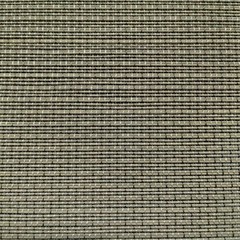
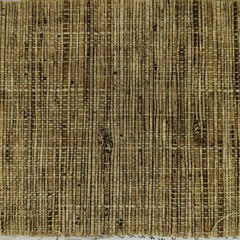
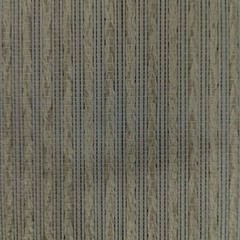
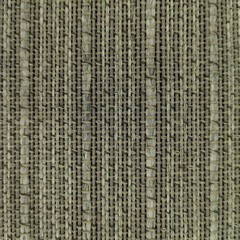
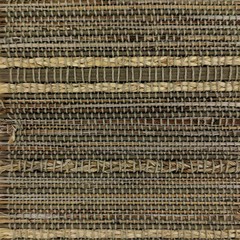
Natural window blind materials such as bamboo, hemp, wood, rattan, and paper offer numerous advantages that make them superior to traditional synthetic blinds. These benefits extend beyond aesthetics to include sustainability, durability, energy efficiency, and health benefits, making them a top choice for eco-conscious consumers and businesses alike.
Sustainability is one of the key advantages of natural window blinds. Bamboo, for example, is a highly renewable resource, growing up to 39 inches per day, which makes it an incredibly sustainable choice compared to slow-growing hardwoods. Unlike conventional wood, bamboo requires minimal water and pesticides, reducing its environmental footprint. Hemp, another popular natural material, is biodegradable and can be grown without the need for chemical fertilizers or pesticides, contributing to healthier soil and ecosystems. Wood, when sourced responsibly from certified sustainable forests, ensures that the harvesting process does not deplete natural resources.
Durability is another compelling advantage. Bamboo and wood blinds are both known for their robustness. Bamboo, though lightweight, is incredibly strong and resistant to wear, making it suitable for high-traffic areas. Wood blinds, thanks to the natural density of the material, are known for their longevity. Both materials, when treated and maintained properly, can last for years without losing their structural integrity. Hemp and rattan, while not as dense, are still highly durable and resistant to wear and tear, offering long-lasting performance in a variety of environments.
Energy efficiency is a crucial benefit of natural window blinds. Wooden blinds, due to their solid construction, provide excellent insulation, helping to maintain consistent temperatures within a room. This insulating property helps keep spaces cooler in the summer and warmer in the winter, reducing the need for artificial heating and cooling systems. Bamboo, though lighter, still provides significant insulation properties, making it a great option for energy-conscious consumers. Hemp, with its dense fiber structure, also offers natural thermal regulation, making these blinds a great addition to energy-efficient homes and offices.
Another significant advantage of natural window blinds is their health benefits. Synthetic window blinds are often made from plastic or other man-made materials that can emit harmful chemicals into the air. In contrast, natural materials like bamboo, hemp, and wood are free from volatile organic compounds (VOCs) and other toxic chemicals commonly found in synthetic products. This makes natural blinds an excellent choice for improving indoor air quality, particularly in homes or offices where people spend a lot of time. Additionally, the natural aesthetics of bamboo, wood, and hemp can enhance the overall ambiance of a room, promoting a sense of calm and well-being.
Finally, natural materials such as rattan and paper offer unique aesthetic appeal. Rattan's woven texture adds warmth and character to any space, while the rustic look of hemp blinds creates a cozy, organic atmosphere. Bamboo and wood, with their timeless beauty, can be customized to fit any design style, from traditional to modern. The natural color variations and unique grain patterns found in these materials ensure that each blind is one-of-a-kind, adding a personalized touch to any interior.
Natural window blinds offer a host of benefits that make them an attractive alternative to traditional synthetic options. Their sustainability, durability, energy efficiency, and health benefits ensure that they will continue to be a popular choice for eco-conscious consumers and businesses alike.